R U OK? Day: Starting Meaningful Conversations with Children
R U OK? Day is a reminder that a simple question can open the door to an important conversation.
On Thursday 10 September 2026, Australians will come together for R U OK? Day - a day that encourages us to check in with the people around us and ask, “Are you OK?” R U OK? also reminds us that these conversations aren't just for one day. Checking in, listening and staying connected matters all year round.
For children, learning how to recognise feelings, talk about emotions and ask for help is an important part of developing social and emotional wellbeing.
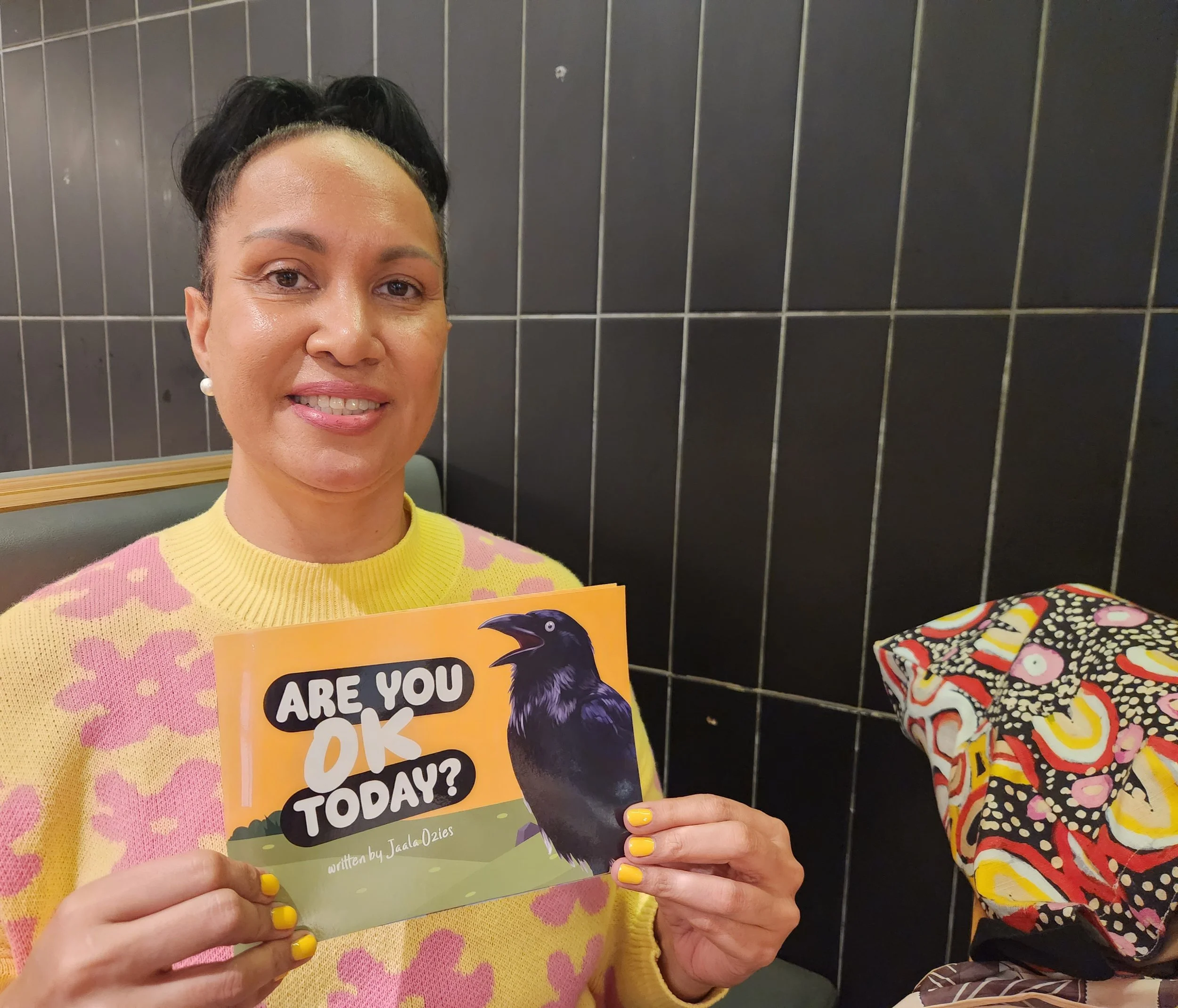
One beautiful way to introduce these conversations is through Are You OK Today?, a new children's book by Djukun woman, language specialist and social worker Jaala Ozies.
The story behind Are You OK Today?
Are You OK Today? follows Wangadi, a caring crow who travels through Djukun Country, checking in on friends and asking a simple question: “Are you OK today?”
Along the way, children discover that feelings can be different for everyone, that it's okay not to be okay, and that asking for help is a strength. The story encourages kindness, empathy, listening and looking out for others.
But there is another important story behind the book.
Jaala Ozies is a proud Djukun woman from Broome in Western Australia. Her work brings together community, social work, children's literature and the revitalisation of Djukun language.
While studying social work at the University of Queensland, Jaala became increasingly involved in efforts to preserve and revitalise the Djukun language. She has worked alongside Djukun Elders and community members to bring Djukun words and language back into children's learning.
That commitment to language and culture is woven into Are You OK Today?
The book includes Djukun language alongside its wellbeing message, making it more than a story about emotions. It is also a resource that celebrates Djukun culture and contributes to language preservation.
A book that starts a conversation
For educators, Are You OK Today? provides a natural starting point for talking with children about:
identifying and naming emotions
showing empathy
listening to others
asking for help
supporting friends
building positive relationships
understanding that everyone experiences difficult feelings.
It can be read during R U OK? Day, but its message is much bigger than a single day.
Every day is an opportunity to ask, listen and care.
Extend the conversation with wellbeing resources
Once you've shared Are You OK Today?, Riley Callie Resources has several resources that can help keep those conversations going.
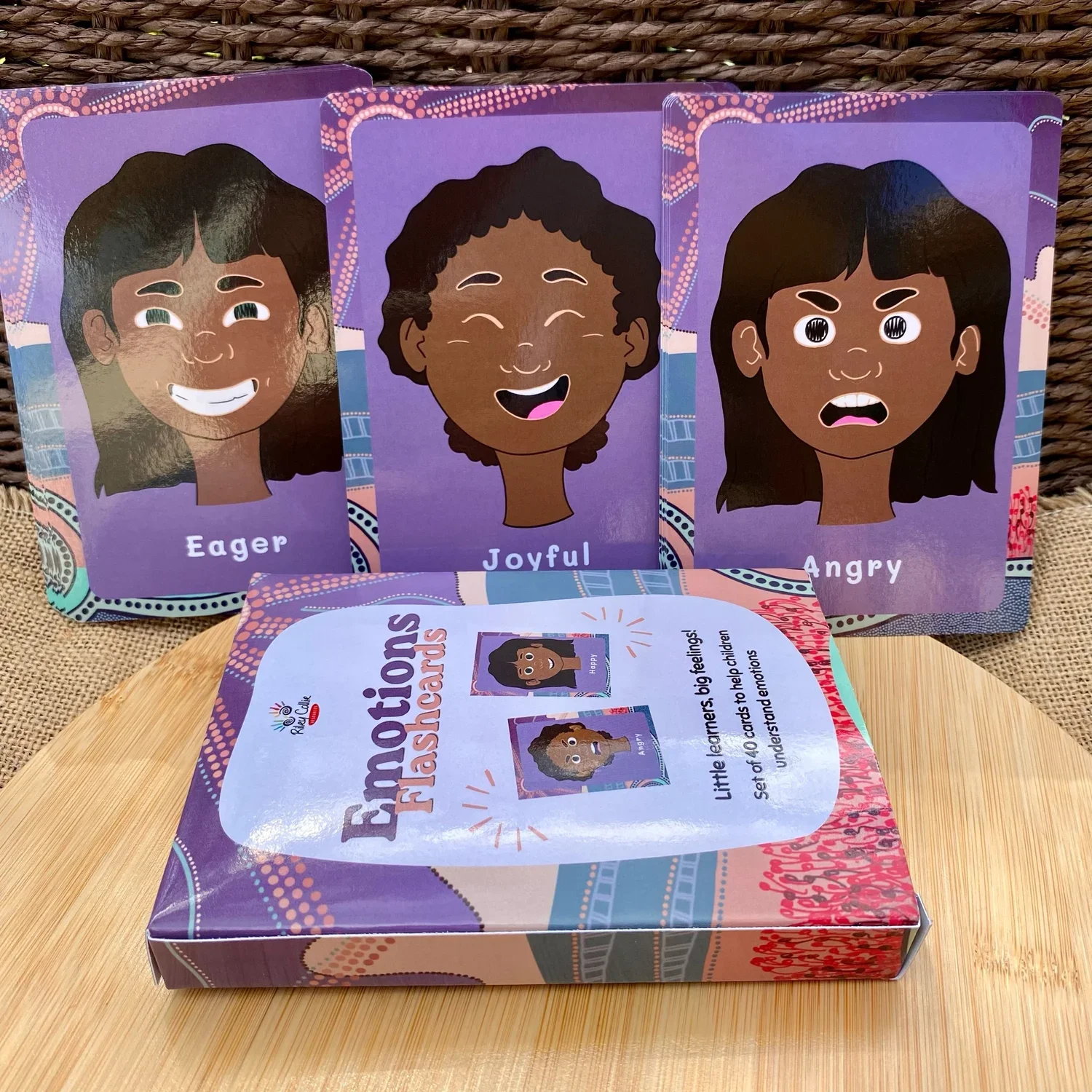
Emotions Flash Cards
The Emotions Flash Cards feature 20 different emotions and are designed to help children recognise, understand and talk about their feelings. Created with artwork by Aboriginal artist Lena Jade Cochrane, the cards provide an engaging way to build emotional vocabulary, empathy and self-expression.
Wellbeing Yarn Cards
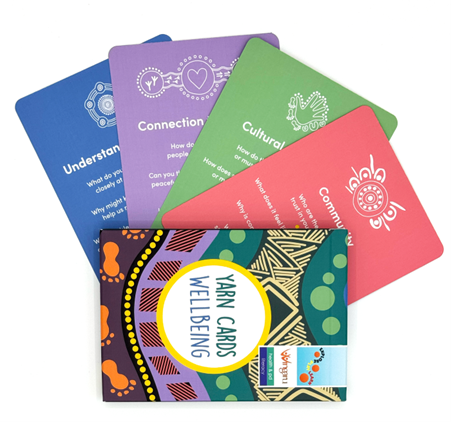
The Wellbeing Yarn Cards provide 20 conversation cards exploring six areas of wellbeing: emotional literacy, personal strengths, seeking help, positive coping, stress management and problem solving.
Drawing on Aboriginal perspectives and the tradition of yarning, they encourage students to share ideas, experiences and perspectives in a supportive environment.
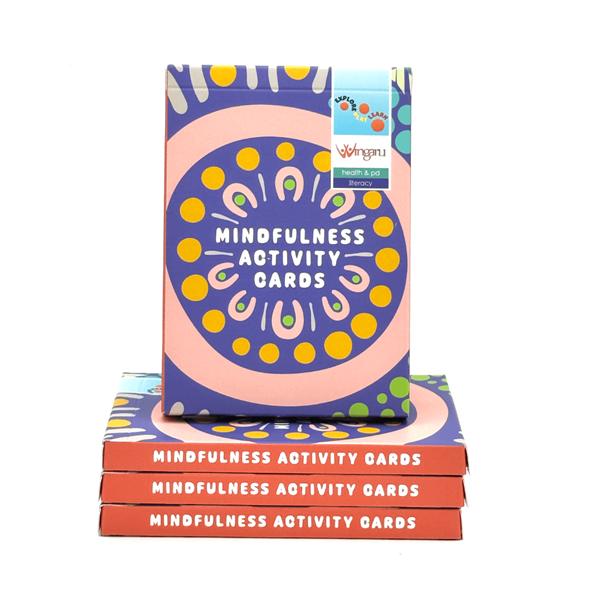
Mindfulness Activity Cards
The Mindfulness Activity Cards offer simple activities inspired by First Nations values, teachings and connection to Country. They encourage children to slow down, reflect and develop skills around emotional regulation, awareness, gratitude and connection.
Making R U OK? part of everyday life
R U OK? Day is a wonderful opportunity to start conversations with children — but the real goal is to make checking in and listening part of everyday life.
A book like Are You OK Today? helps make that conversation accessible. Through Wangadi's journey, children can learn that their feelings matter, their friends' feelings matter, and they never have to face difficult times alone.
This R U OK? Day, why not start with a story?
Read Are You OK Today?, ask children how they are feeling, give them the space to talk, and remind them that asking for help is always okay.
Because sometimes, a simple “Are you OK today?” can be the beginning of something really important.
Explore the Are You OK Today? book and wellbeing resources at Riley Callie Resources.