A Few Months to Reflect On: Recognition, Connection and Walking Together
The past few months have been incredibly special for Riley Callie Resources.
There have been moments of excitement, moments of challenge, plenty of hard work behind the scenes, and, most importantly, many opportunities to connect with people who share our commitment to creating meaningful change through education.
As we take a moment to pause and reflect, two milestones stand out.
Being named a finalist in the 2026 Queensland Reconciliation Awards, and successfully delivering the inaugural National First Nations Education Conference.
While they may seem like two very different achievements, to us they are deeply connected.
Both reflect the work we are passionate about: creating opportunities for people to listen, learn, connect and take meaningful action when it comes to Aboriginal and Torres Strait Islander perspectives in education.
A finalist in the Queensland Reconciliation Awards
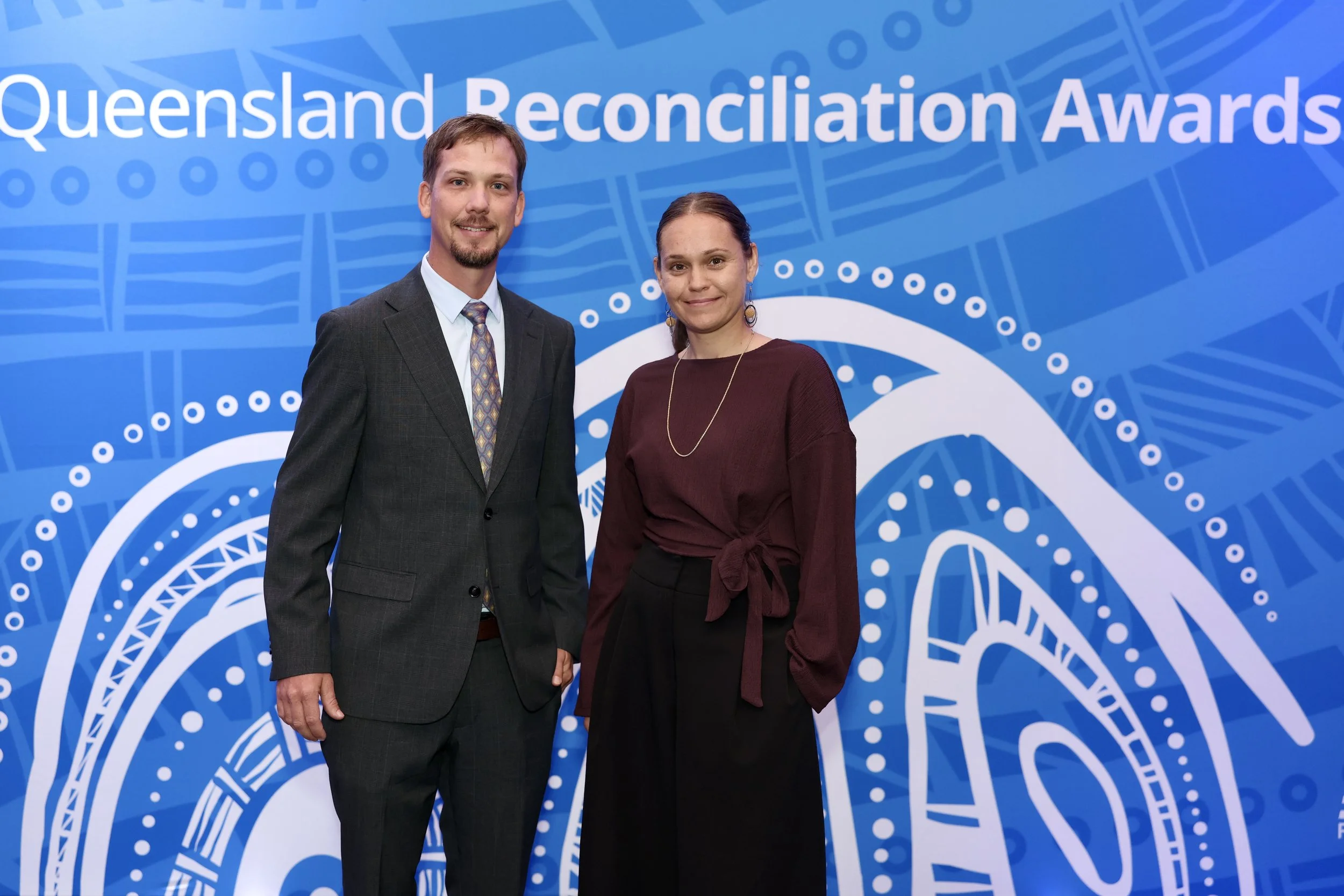
Being recognised as a finalist in the 2026 Queensland Reconciliation Awards was a very proud moment for our team.
Riley Callie Resources was named a finalist in the Business category, recognising our work as a 100% Aboriginal-owned business delivering culturally grounded educational resources, professional learning and engagement experiences that support organisations to deepen their understanding of Aboriginal and Torres Strait Islander perspectives.
For us, recognition like this is meaningful because reconciliation is at the heart of why we do what we do.
It is about more than resources.
It is about creating opportunities for educators and organisations to build cultural capability, to reflect on their practice, to develop stronger relationships with community and to move beyond good intentions towards meaningful action.
Being a finalist gave us an opportunity to stop and acknowledge just how far Riley Callie Resources has come, but also to recognise the incredible people who have walked alongside us.
Our clients, educators, community members, collaborators, supporters and partners all form part of this journey.
We are incredibly grateful.
And then came the conference...
If the Queensland Reconciliation Awards nomination gave us a moment to pause, the National First Nations Education Conference gave us a reason to keep moving forward.
On 14 August, Riley Callie Resources and TIPIAC came together to deliver the inaugural National First Nations Education Conference in Meeanjin (Brisbane).
Hundreds of educators from across Australia joined us for a day centred on First Nations knowledge, culture, education, truth-telling and connection.
This conference began with a shared vision.
We wanted to create a space where educators could learn directly from First Nations voices and knowledge holders; a space where Aboriginal and Torres Strait Islander perspectives weren't treated as an add-on, but recognised as foundational knowledge that has guided learning for tens of thousands of years.
Bringing that vision to life was a huge undertaking.
There were months of planning, conversations, logistics, problem-solving, collaboration and plenty of work happening behind the scenes that most people never see.
And then, suddenly, the day arrived.
A room full of possibility
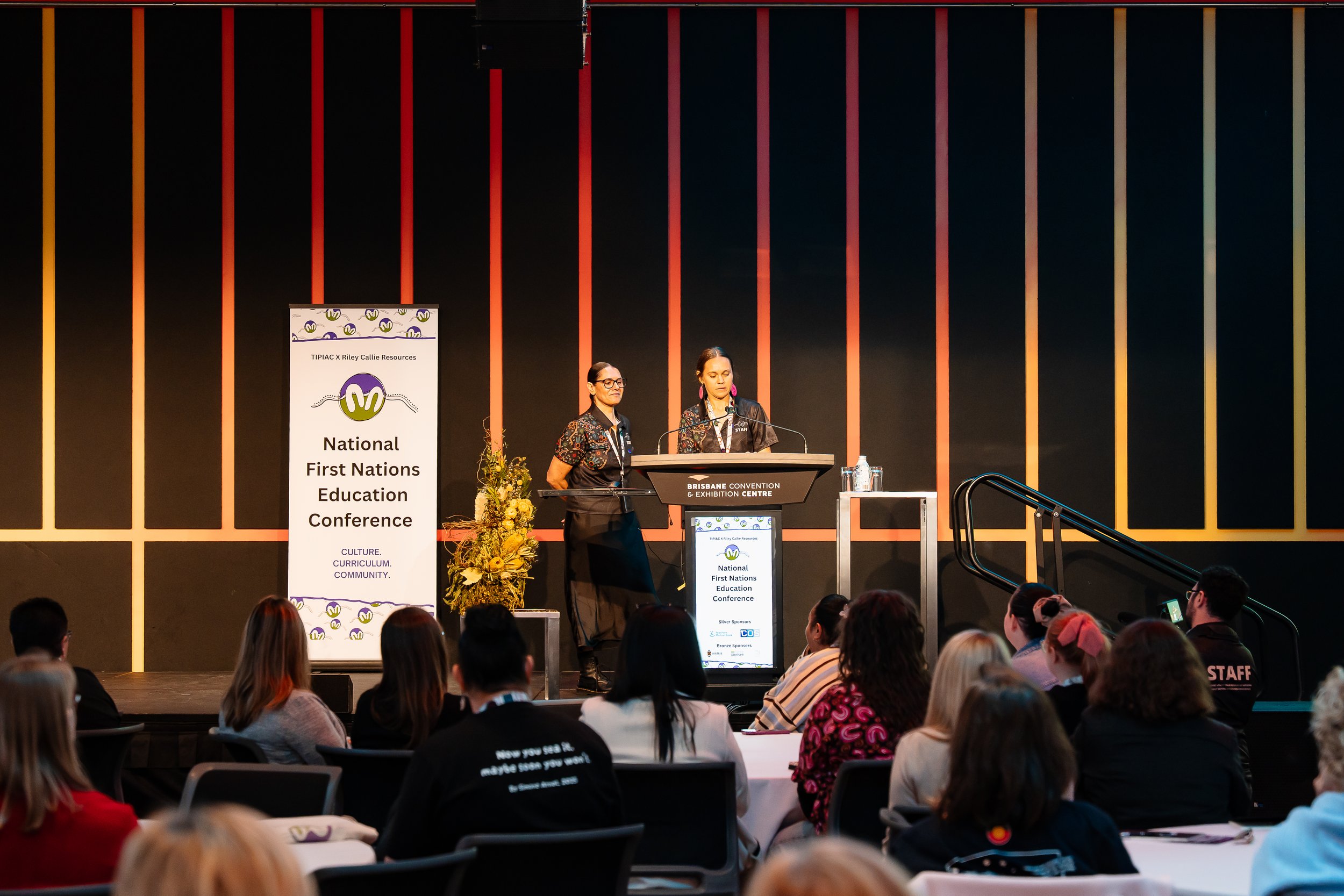
One of the most powerful things about the conference wasn't simply what happened on stage.
It was what happened between people.
The conversations in the room.
The connections being made.
The questions being asked.
The stories being shared.
The educators who arrived ready to learn, and left thinking about what they could do differently when they returned to their schools, services and communities.
That is what we hoped the conference would create: not just a professional learning event, but a space that encouraged reflection and action.
The response since the conference has reinforced just how important that space was.
We have heard from educators about the conversations they have continued, the ideas they are taking back into their workplaces and the changes they are beginning to consider.
That is the real measure of success for us.
Not simply how many people attended, but what happens because they attended.
We couldn't have done it alone
Looking back, one of the biggest reflections from these past few months is the power of collaboration.
The conference was born from a shared vision between two 100% First Nations-owned education businesses — TIPIAC and Riley Callie Resources.
But bringing it to life took an even bigger community.
From our speakers, Elders, sponsors and supporters to the people working behind the scenes, every person played a part.
We are especially grateful to everyone who trusted us with their stories, knowledge and time, and to every educator who chose to spend their day learning, listening and connecting with us.
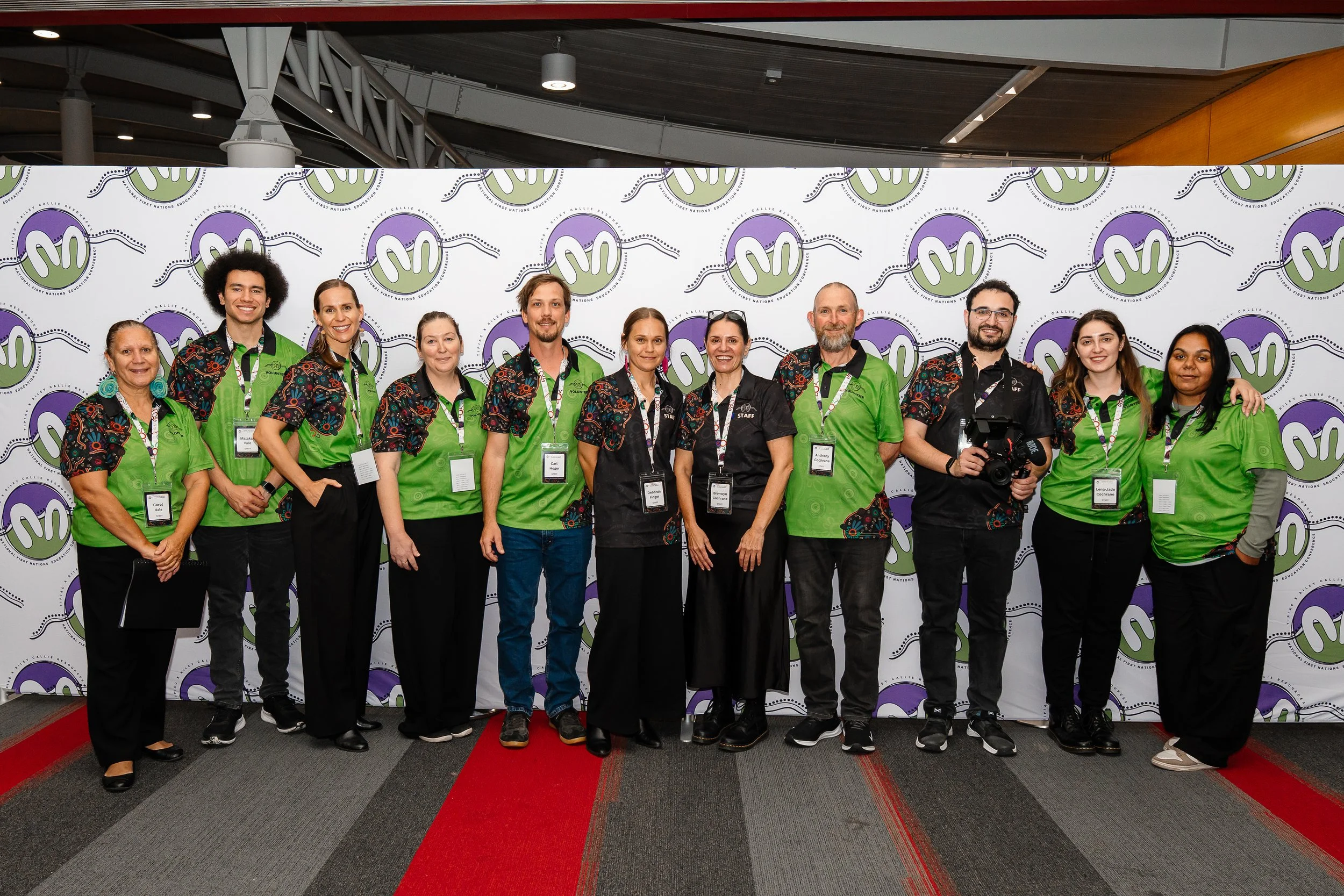
A special thank you also goes to the incredible team who helped make the day possible.
As we know, meaningful change is never created by one person or one organisation. It grows through relationships, shared knowledge and people willing to walk alongside one another.
Looking back — and looking forward
When we look at the past few months, we feel incredibly proud.
Proud to be recognised as a finalist in the Queensland Reconciliation Awards.
Proud to have brought the first National First Nations Education Conference to life.
Proud of the growth of Riley Callie Resources.
But most of all, we feel grateful.
Grateful for the opportunities to do this work.
Grateful for the people who continue to trust us.
And grateful for the conversations that continue long after an event has finished or an award has been announced.
The conference may have finished, but the work continues.
The nomination may have recognised what has happened so far, but it also reminds us of the responsibility we have to keep going.
Because reconciliation isn't a destination.
It is an ongoing journey of listening, learning, reflecting and walking together.
And we are excited to keep walking.