How to Talk to Children About Racism: Using One Race

Talking to children about racism can feel difficult, but age-appropriate conversations can help children develop empathy, fairness, respect and confidence to challenge unfair behaviour.
For teachers looking for a gentle starting point, One Race by Kamilaroi and Euahlayi author and artist Gregg Dreise provides an engaging way to explore racism, equality, difference and our shared humanity.
Why talk to children about racism?
Children notice differences from an early age. They may notice differences in skin colour, language, culture, family and appearance.
These observations provide opportunities to talk about:
Fairness
Respect
Empathy
Inclusion
Equality
Kindness
Belonging
The goal isn't to give children a complicated lesson about racism. It's to help them understand that everyone deserves to be treated with dignity and respect.
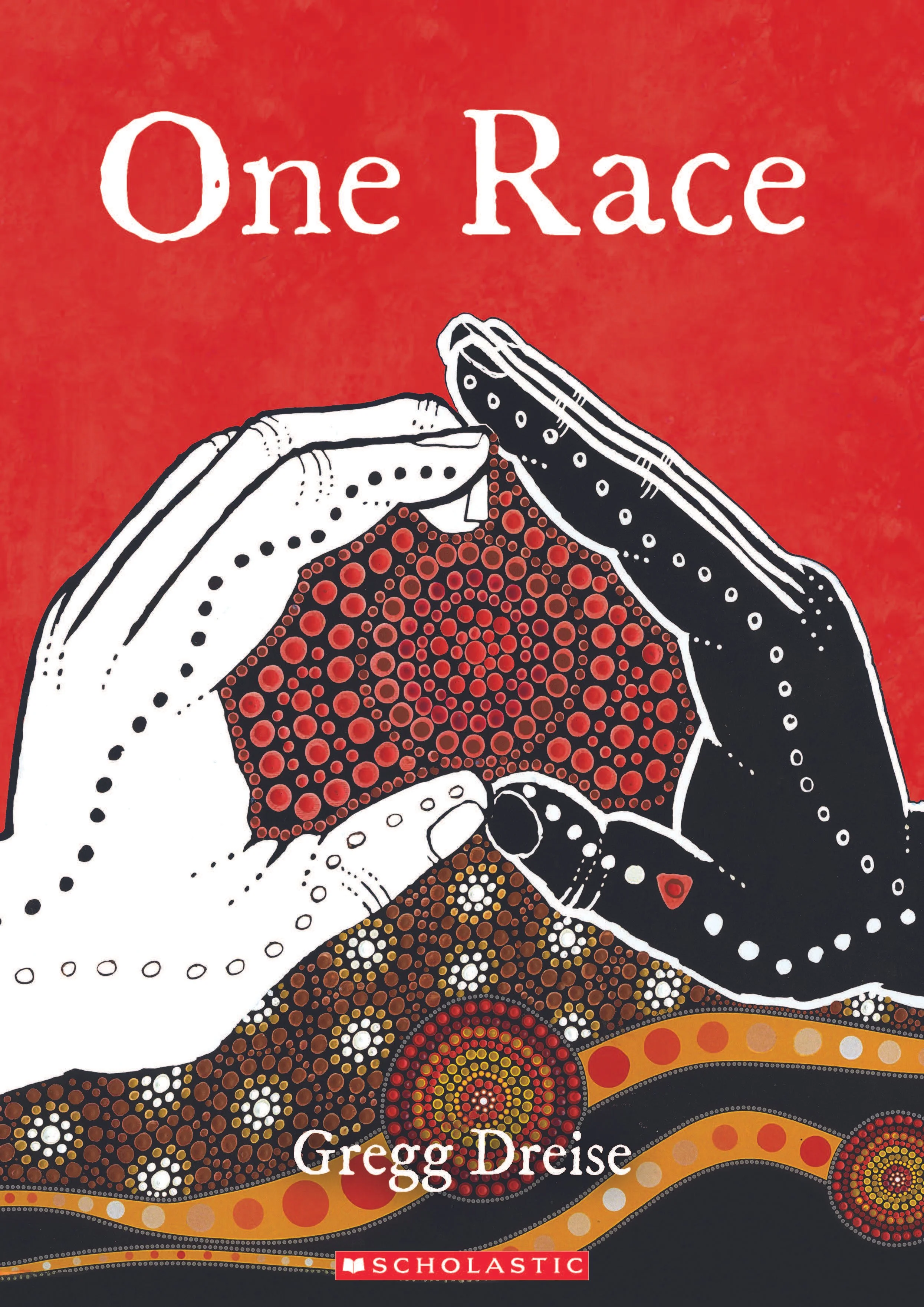
One Race by Gregg Dreise is a powerful children's picture book about equality, racism, empathy and unity.
Through poetic, spoken-word style writing, the book encourages children to think about discrimination, human rights and the importance of treating people with respect.
Why you'll love it:
· Opens age-appropriate conversations about racism
· Explores equality, empathy and human rights
· Encourages unity and respect
· Supports classroom discussion and reflection
· Written by Kamilaroi and Euahlayi author and artist Gregg Dreise
A valuable resource for families and schools wanting to help children talk thoughtfully about racism, difference, fairness and belonging.
Book details
Author: Gregg Dreise
Illustrator: Gregg Dreise
People: Kamilaroi and Euahlayi
Language: English
Format: Hardcover
Pages: 32
ISBN: 9781761298585
Publisher: Scholastic Australia
Imprint: Scholastic Press
Publication: 2026
Age guide: Approximately 4–8 years
A powerful First Nations picture book encouraging children to think about equality, empathy, racism, kindness and our shared humanity.
Using One Race in the classroom
One Race uses rhythmic language and striking illustrations to explore racism, equality, unity, empathy and humanity.
Before reading, establish a few simple classroom agreements:
We listen respectfully.
We don't make jokes about someone's identity or culture.
We don't ask someone to speak for an entire group.
We don't have to share personal experiences.
This helps create a safe environment for discussion.
5 classroom activities
1. What does fairness mean?
Ask students:
What does "fair" mean?
Discuss whether being fair always means treating everyone exactly the same.
This can introduce ideas around equality, inclusion and equity.
2. What is racism?
For younger students, a simple explanation could be:
Racism is when someone is treated unfairly, excluded or judged because of their race, skin colour, culture or background.
For older students, you can explore how racism can affect individuals and communities.
3. How might someone feel?
Give students an age-appropriate scenario, such as:
A child is left out of a game because of their culture.
Ask:
How might they feel?
What could another student do?
Who could they ask for help?
This moves the conversation from identifying racism to thinking about how we can respond.
4. Be an upstander
Introduce the word upstander.
Explain that an upstander is someone who helps when they see another person being treated unfairly.
Students can brainstorm safe ways to respond, such as:
Including someone
Refusing to join in with racist behaviour
Supporting the person being targeted
Getting help from a trusted adult
5. Explore the illustrations
Ask students:
What do you notice in Gregg Dreise's illustrations?
How do the pictures communicate ideas about people, equality and connection?
This provides an opportunity to develop visual literacy alongside the themes of the story.
Talking about First Nations perspectives
One Race is created by Gregg Dreise, a Kamilaroi and Euahlayi author and artist.
This gives teachers an opportunity to discuss why it is important for children to encounter First Nations voices in Australian children's literature.
It is also a useful reminder that Aboriginal and Torres Strait Islander peoples are not one single cultural group. Australia is home to many different Countries, languages, communities and histories.
When teaching First Nations perspectives, use specific information connected to the author, community and Country rather than making generalisations about Aboriginal culture.
Discussion questions
After reading One Race, ask:
What message do you think the author wants readers to remember?
What does equality mean?
How might racism make someone feel?
What does it mean to be an upstander?
How can we make our classroom more inclusive?
How do the illustrations add to the book's message?
Why is it important to hear First Nations voices?
Creating a respectful classroom
A conversation about racism shouldn't end when the book is closed.
Teachers can continue building an inclusive classroom by encouraging students to:
Respect differences.
Challenge unfair behaviour.
Include others.
Listen to different perspectives.
Ask questions respectfully.
Seek help when something isn't right.
One Race can be one part of a broader collection of First Nations books that introduces students to different cultures, Countries, languages and perspectives.