Learning About Aboriginal Symbols in the Classroom
Symbols are an important part of Aboriginal storytelling, communication and connection to Country. Across Aboriginal Australia, different Nations and communities have their own languages, cultural practices, symbols and ways of sharing knowledge.
In the classroom, learning about Aboriginal symbols can provide children with a meaningful introduction to the ways First Nations Peoples have communicated stories, knowledge and experiences for generations, and continue to do so today.
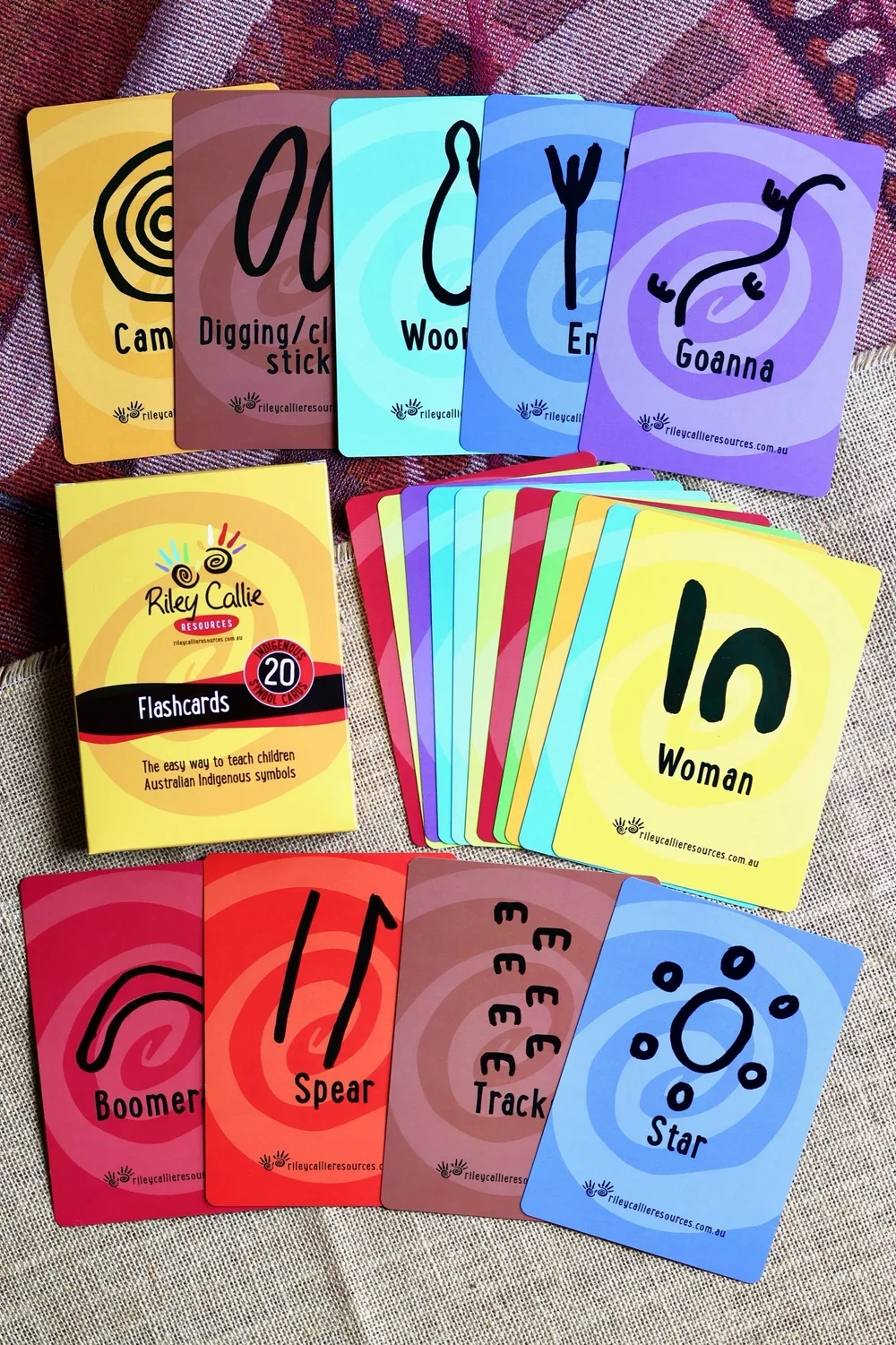
Aboriginal Symbols Cards
More than just pictures
When children see Aboriginal symbols, it can be tempting to think of them simply as pictures or patterns. But symbols can carry much deeper meaning.
Circles, tracks, lines, people, animals, waterholes and other markings may represent different things depending on the cultural context and the Country or community they come from.
This is why it is important to avoid teaching Aboriginal symbols as though there is one universal Aboriginal symbol system.
Instead, educators can help children understand that Aboriginal cultures are diverse, and that symbols should always be taught with context, respect and acknowledgement of where they come from. Resources like our Aboriginal Symbol Cards are a great starting point for classroom learning, and should always be followed up with learning around symbols specific to the Country you are living on.
Bringing symbols into learning
Exploring symbols can become a wonderful starting point for conversations about storytelling, Country and communication.
Educators might invite children to look closely at symbols from a specific Aboriginal community and discuss:
What does this symbol represent?
What story or knowledge might it communicate?
Who uses these symbols?
How is this connected to Country?
How might people communicate without using written words?
These conversations can then extend into children's own learning through drawing, mark-making, storytelling and exploring different ways of communicating ideas.
The focus should not be on simply copying Aboriginal symbols, but on learning about their meaning and cultural context.
Creating respectful learning experiences
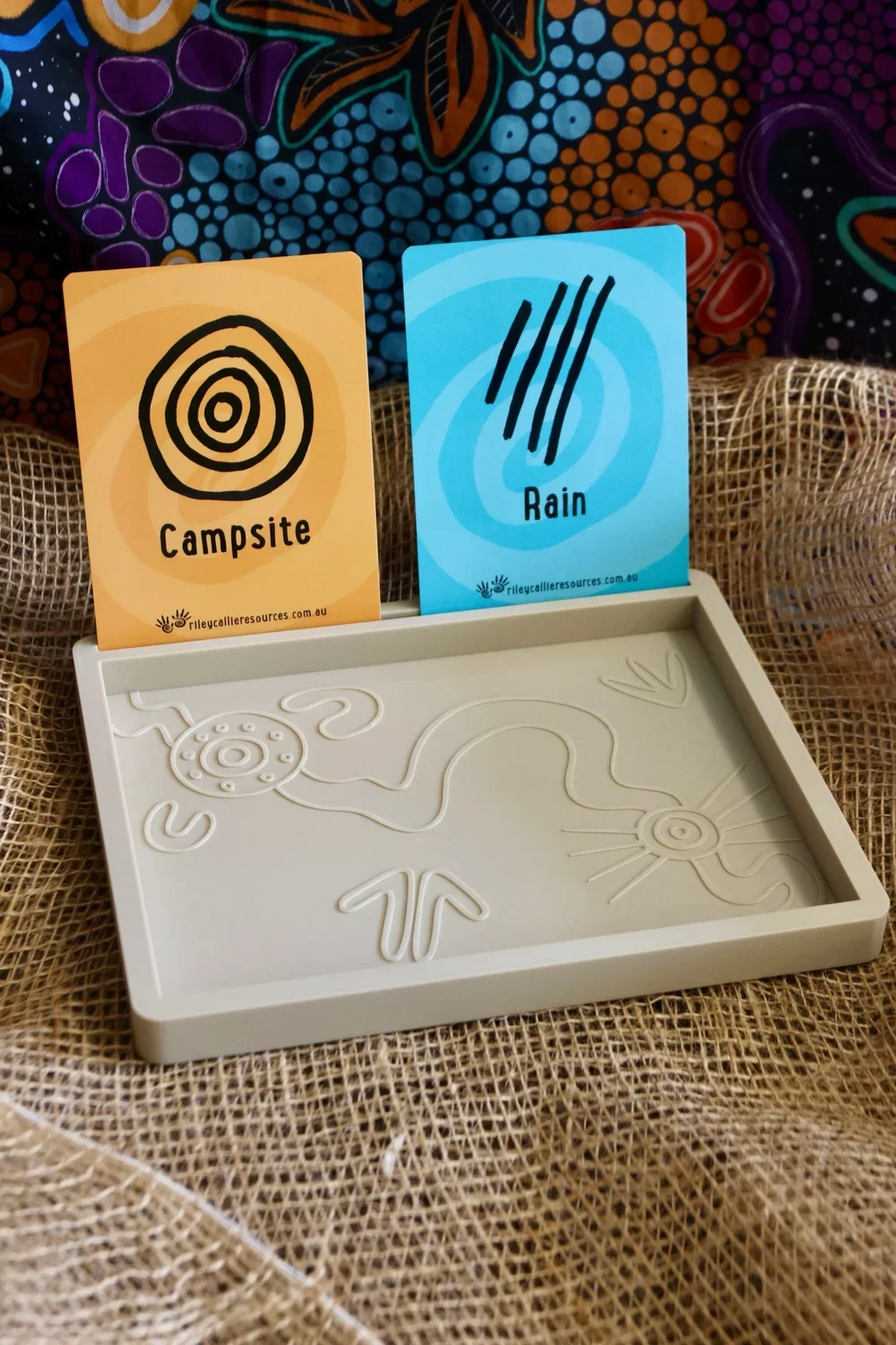
Aboriginal Symbols Tracing Tray with Aboriginal Symbol Cards.
When introducing Aboriginal symbols into your classroom, take the time to identify the Country and community the symbols come from and use reliable, culturally appropriate resources.
Where possible, learning directly from Aboriginal people and community provides children with a richer understanding and helps ensure cultural knowledge is shared respectfully.
Learning about Aboriginal symbols is ultimately an opportunity to teach children that there are many ways of knowing, communicating and sharing stories.
And sometimes, a simple symbol can open the door to a much bigger conversation about culture, Country, connection and respect.